How to Choose the Best Hydraulic Pumps for Your Needs?
Choosing the right Hydraulic Pumps can significantly impact your machinery's efficiency. With various options available, the selection process may seem daunting. Understanding your specific requirements is essential. Different applications demand different types of hydraulic pumps.
Hydraulic pumps come in various sizes and designs, each serving unique purposes. For instance, gear pumps are known for their reliability. Vane pumps, on the other hand, offer smooth operation and lower noise levels. Balancing efficiency and performance will determine the best choice for you.
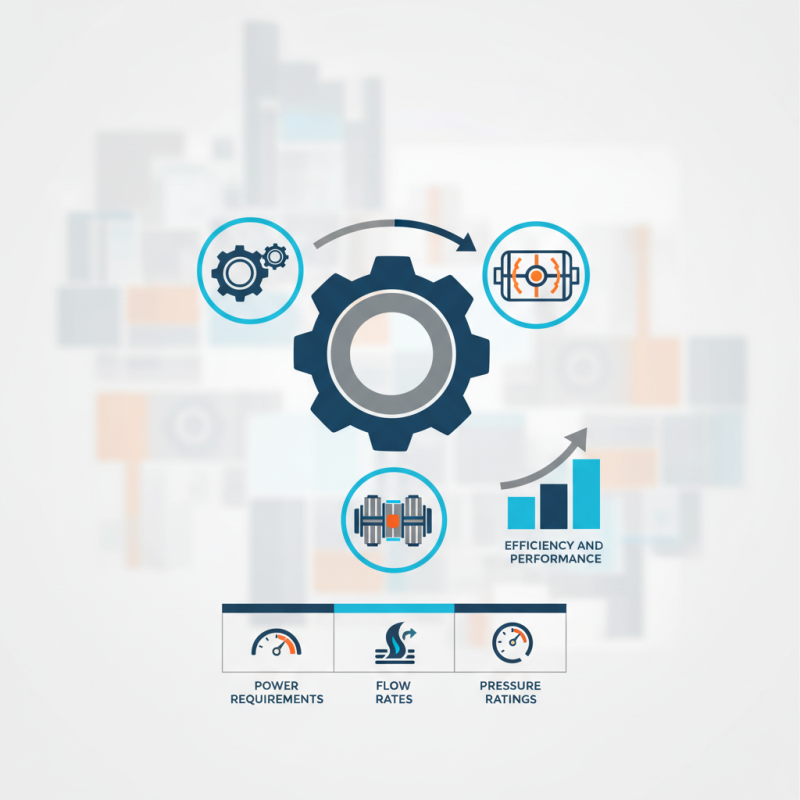
Before making a decision, consider the pump's compatibility with your system. Assessing power requirements, flow rates, and pressure ratings is vital. Small miscalculations can lead to inefficiency or equipment failure. Remember, investing time in research will yield better results. Trust in reputable sources and detailed specifications to guide your selection process.
Understanding Different Types of Hydraulic Pumps and Their Applications
When selecting hydraulic pumps, understanding their types and applications is crucial. There are mainly three types: gear pumps, vane pumps, and piston pumps. Gear pumps are efficient for low-pressure applications. They provide a steady flow and are ideal for systems that require reliability. Vane pumps, on the other hand, work well at moderate pressures. They offer variable flow rates, making them adaptable for different tasks. Piston pumps excel in high-pressure scenarios, delivering power for heavy-duty operations.
Each type has its strengths and weaknesses. Gear pumps may experience wear due to the constant friction in the gears. Vane pumps can have reduced performance as the vanes wear down. Piston pumps can be noisy and may require more maintenance. Choosing the right pump involves anticipating your specific application needs. Consider the working pressure, flow rate, and the operating environment of your system.
A common mistake is undervaluing the impact of compatibility with existing systems. Assessing compatibility ensures that the pump will function properly without causing damage. Always remember that reliability and efficiency go hand in hand. Make informed choices by researching manufacturer specifications and industry standards. This preparation reduces the risks of unexpected failures.
Analyzing Key Performance Metrics for Hydraulic Pump Selection
When selecting a hydraulic pump, analyzing key performance metrics is crucial. Consider flow rate and pressure as primary indicators. For example, industry reports show that pumps typically range from 1 to 500 gallons per minute (GPM). The right flow rate depends on your specific application. Excessive flow may waste energy, while insufficient flow can hinder system performance.
Another significant metric is the pump's efficiency. High-efficiency pumps can exceed 90%, reducing operational costs over time. According to studies, inefficient models lead to a 30% increase in energy consumption. It’s essential to measure energy efficiency alongside output. A pump with a lower purchase price may become costly due to higher energy demands.
**Tips**: Always review the manufacturer’s efficiency ratings. Look for pumps with high volumetric efficiency to ensure optimal performance. Also, consider the Noise and vibration levels, as they can impact the overall system reliability. Make sure to account for maintenance schedules as well, as these can affect long-term costs.
Assessing Fluid Compatibility and System Requirements for Hydraulic Pumps
When selecting hydraulic pumps, understanding fluid compatibility is crucial. Different fluids interact uniquely with materials. Ensure the pump material withstands your chosen fluid. For example, some fluids may cause corrosion or degradation in certain metals. Check compatibility charts provided by materials suppliers.
System requirements also play a vital role. Assess the pressure and flow rate needed for your application. Low pressure might not require high-end pumps. However, failure to meet pressure needs can lead to operational issues. Consider installation space as well. A poorly fitted pump can lead to increased maintenance and efficiency loss.
Regular testing is advisable to avoid unexpected failures. Not every pump performs well under all conditions. Monitor fluid conditions frequently. Learn to recognize early signs of wear or degradation in both fluid and pump components. This proactive approach can save time and money in the long run.
This chart illustrates the importance of key factors to consider when selecting hydraulic pumps. Fluid compatibility scores highest due to its critical role in preventing system damage. Pressure rating and efficiency are also vital to ensure optimal system performance and longevity. Understanding these factors helps in making an informed choice tailored to your hydraulic system requirements.
Evaluating Cost-Effectiveness and Maintenance Considerations for Pumps
Choosing hydraulic pumps involves careful consideration of cost-effectiveness and maintenance. Evaluating upfront costs is essential. However, the long-term savings are often more important. A pump that is cheaper now may incur higher maintenance costs later. Always consider the total cost of ownership.
Maintenance is another critical factor. Some pumps require regular servicing to ensure optimal performance. Routine checks can prevent unexpected downtime. Users may overlook this, leading to larger problems down the line. Keeping an eye on wear and tear adds to the pump's reliability.
Understand the specific needs of your application. Different environments can significantly impact pump longevity. Undoubtedly, not all pumps are created equal. If conditions are harsh, investing in a robust model may save you trouble. Do not neglect the importance of proper maintenance schedules; they can extend the lifespan of your equipment.
Exploring Innovations and Trends in Hydraulic Pump Technology
When exploring innovations and trends in hydraulic pump technology, it's essential to recognize the shift toward efficiency and sustainability. Modern hydraulic pumps are designed to optimize power use while minimizing environmental impact. New materials and designs lead to lighter, more robust systems. These advancements not only enhance performance but also extend the lifespan of the equipment.
Staying updated with industry trends is crucial. Regularly attending trade shows or subscribing to relevant journals can provide insights into cutting-edge developments. Networking with professionals helps to gather diverse perspectives and experiences, fostering a deeper knowledge of operational needs.
Tips: Look for energy-efficient models that align with your environmental goals. Consider systems with advanced monitoring features. They provide real-time data, allowing for proactive maintenance and reducing downtime. Choosing the right hydraulic pump requires balancing performance with innovation. Reflect on your specific applications to find the best fit.