Best Sliding Parking System for Efficient Space Management?
In urban areas, space is becoming increasingly scarce. A well-designed Sliding Parking System can maximize parking efficiency. According to the International Parking Institute, parking space optimization can reduce real estate costs by up to 30%. This statistic underscores the importance of innovative parking solutions like sliding systems.
Experts in the field emphasize the need for modernization. Dr. Alice Thompson, a leading researcher in automated parking systems, states, “The Sliding Parking System not only saves space but also enhances user experience.” Such systems facilitate quick retrieval and parking, catering to the needs of modern urban life.
Challenges remain, though. Not all sliding systems are created equal; some may experience mechanical failures or require extensive maintenance. User feedback is crucial in addressing these issues. As cities evolve, balancing convenience, technology, and reliability will be essential in the future development of Sliding Parking Systems.
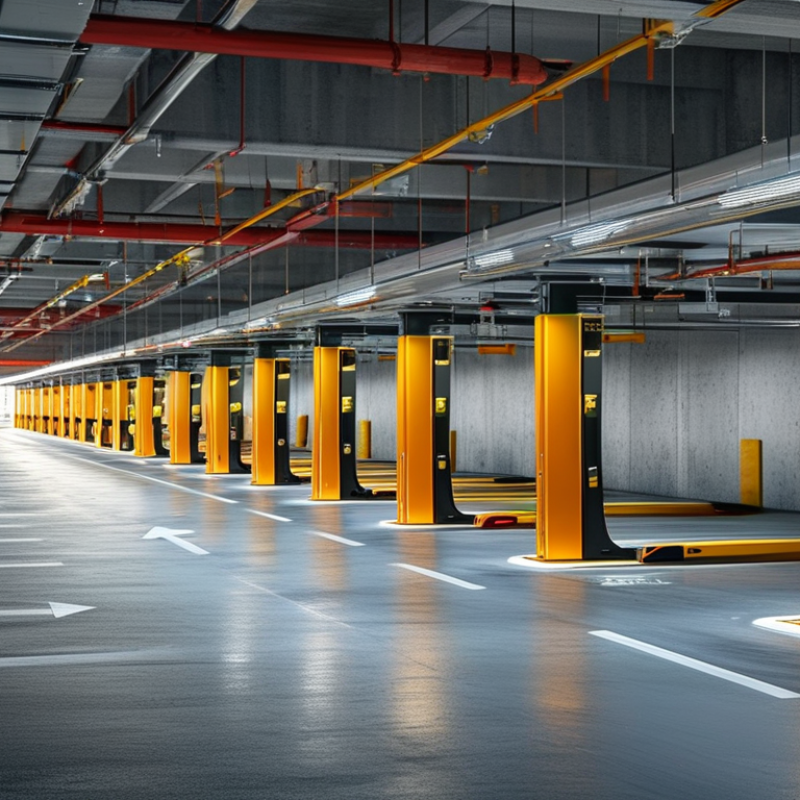
Overview of Sliding Parking Systems and Their Benefits
Sliding parking systems are transforming the way we manage urban space. These innovative solutions optimize parking in limited areas, offering more spots while minimizing land use. By stacking vehicles vertically, they reduce the footprint required for parking. This design is especially beneficial in densely populated regions.
One of the main advantages of sliding parking systems is their speed. Vehicles can enter and exit quickly, which decreases congestion in busy areas. Additionally, these systems enhance safety by reducing the need for drivers to navigate tight parking lots. However, they may require upfront investment and regular maintenance. Not all users may be familiar with how to operate these systems efficiently, which can lead to confusion.
The sustainability of sliding parking systems also merits discussion. By maximizing space, they reduce the environmental impact of parking facilities. Nevertheless, it’s essential for municipalities to assess local needs before implementation. There may be concerns about user experience and adaptability. By addressing these factors, communities can better leverage the benefits of sliding parking systems.
Best Sliding Parking System for Efficient Space Management
| System Type | Space Efficiency | Average Cost | Number of Vehicles | Installation Time | Maintenance Frequency |
| Automated Sliding Parking | Up to 60% more efficient | $50,000 | 20-40 vehicles | 3-4 weeks | Annually |
| Manual Sliding Parking | 50% more efficient | $30,000 | 15-30 vehicles | 2-3 weeks | Semi-annually |
| Hybrid Sliding Parking | 55% more efficient | $40,000 | 25-35 vehicles | 4-6 weeks | Quarterly |
| Compact Sliding Parking | 70% more efficient | $60,000 | 10-25 vehicles | 3-5 weeks | Monthly |
Key Features to Consider in a Sliding Parking System
When considering a sliding parking system, several key features come into play. First, space efficiency is paramount. A well-designed system maximizes parking capacity within a limited area. This type of system slides cars into compact spots, reducing wastage of space.
Another crucial aspect is ease of use. Users should be able to park and retrieve their vehicles effortlessly. A user-friendly interface ensures that even those less familiar with technology can operate the system without frustration.
Tips: Always evaluate the layout before installation. Ensure it suits the building's structure and traffic flow. Regular maintenance checks can prevent breakdowns, keeping the system functioning smoothly.
Lastly, consider integration with existing infrastructure. A seamless connection with payment systems and security measures adds value. The right balance between technology and human interface is essential. Reflect on potential challenges, like power outages or equipment failure.
Comparative Analysis of Popular Sliding Parking Solutions
Sliding parking systems have gained popularity for their effective space management. These solutions are essential, especially in urban areas where parking is limited. A comparative analysis reveals various options, each with distinct features and drawbacks.
One notable system is the stacked format. It maximizes vertical space, allowing multiple cars to be parked on top of each other. However, access can be challenging, particularly for larger vehicles. Another option is the multi-level sliding system, which enables cars to move horizontally into position. This design is space-efficient but may require more time for retrieval. Ease of use and speed of operations are critical considerations.
Moreover, safety features are an essential aspect of any sliding parking solution. While some systems include advanced sensors and automatic locking mechanisms, others may lack these critical updates. Regular maintenance can also be an issue, affecting reliability over time. Users should weigh these factors carefully. The choice of a parking system should align with specific needs and space availability.
Installation and Maintenance Requirements for Sliding Parking Systems
Sliding parking systems are an innovative solution for maximizing space in urban environments. However, successful installation and maintenance are crucial for their efficiency. Proper installation requires a thorough assessment of the site, including the structure and power supply. Engaging professionals ensures that the system meets safety standards and local regulations.
Regular maintenance is essential to keep the system operating smoothly. Routine checks should include inspecting rails, motors, and sensors for wear. Neglecting these checks can lead to malfunctions and costly repairs. It's advisable to create a maintenance schedule tailored to your system’s usage.
Tips: Ensure that users are trained on how to operate the system. This reduces user errors and enhances safety. Consider investing in smart technology. It can alert you to issues before they become significant problems. Always document maintenance activities for future reference.
Best Sliding Parking System for Efficient Space Management
Case Studies: Successful Implementations of Sliding Parking Systems
Sliding parking systems have gained traction due to their ability to maximize space in urban areas. A recent industry report shows that they can increase parking capacity by up to 60% compared to traditional systems. This is crucial in dense cities where available land is limited. One notable case study in a metropolitan area utilized a sliding system to convert a former loading dock into a 100-spot parking lot. The transformation not only met demand but also enhanced local business foot traffic.
Another successful implementation occurred in a university campus. A sliding system was installed to alleviate congestion during peak hours. This led to a 30% reduction in search time for parking. Students and staff reported better experiences, contributing to a more efficient campus environment. However, challenges arose. Initial high costs and the need for thorough maintenance were key concerns. Some users experienced issues with system reliability, prompting discussions around technology upgrades and staff training.
These examples highlight the potential of sliding parking systems, but they also reflect the need for careful planning and investment. While the benefits are clear, ongoing assessments are essential to address shortcomings and ensure long-term success.