10 Best Plumbing Pipe Cutters for Global Buyers

Choosing the right Plumbing Pipe Cutter can affect installation speed, joint quality, and long-term maintenance. Global buyers face different materials, pipe diameters, climates, and workshop conditions. A cutter that performs smoothly on copper may struggle with stainless steel or multilayer pipe. That difference matters.

Roger Bisby, a veteran plumbing engineer and technical writer, offers a useful principle: “A clean cut is the beginning of a reliable joint.” This idea guides our review of the 10 Best Plumbing Pipe Cutters for Global Buyers. We examine cutting capacity, blade durability, adjustment control, grip comfort, portability, and replacement-part availability. We also consider whether each tool fits professional sites, factory maintenance, emergency repairs, or occasional household work.

Small details often decide the result. A stable wheel reduces pipe deformation. A comfortable handle limits wrist fatigue during repeated cuts. Rust-resistant construction helps in humid workshops and coastal regions. Clear product specifications also reduce purchasing mistakes across international markets. However, no tool is perfect. Some compact cutters sacrifice capacity, while heavy-duty models can feel unnecessarily bulky. I may be overly cautious about adjustment mechanisms, but loose control can ruin an otherwise clean cut. Product claims should still be checked against manufacturer instructions, verified testing, and local trade requirements. This guide aims to support informed comparison, not replace professional judgment. Measure the pipe first. Check the material. Then choose the cutter that matches the real job.
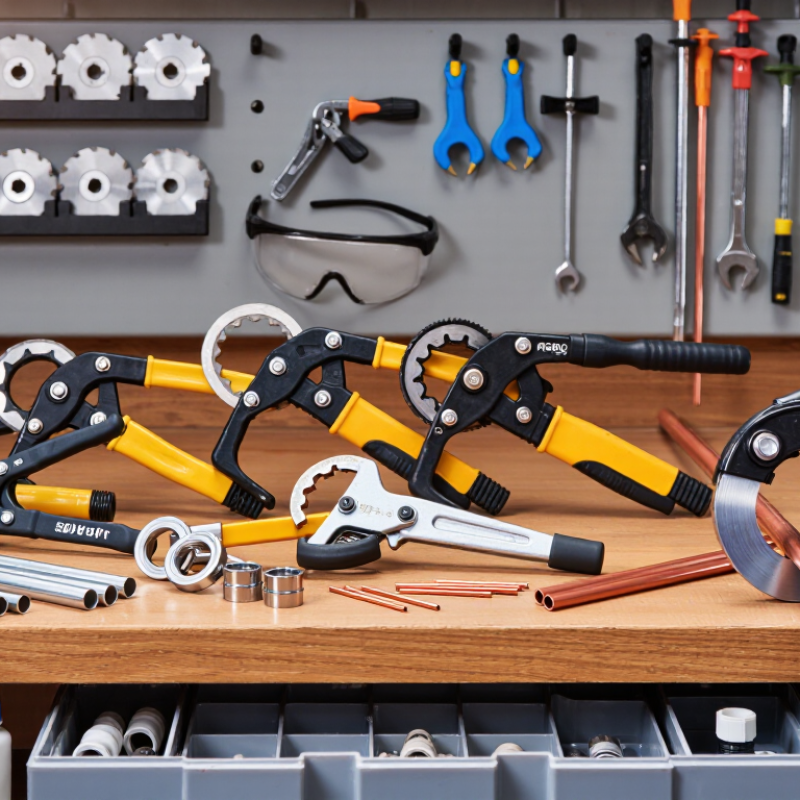
10 Best Plumbing Pipe Cutters for Global Buyers

What Plumbing Pipe Cutters Are and How They Work

A plumbing pipe cutter makes a controlled cut without a saw’s broad, jagged stroke. Most wheel cutters press a circular blade against the pipe, then rotate around it. Each turn tightens the wheel slightly, scoring a narrow groove until the pipe separates. Ratcheting cutters use a blade and repeated handle squeezes, often on plastic tubing.

Different tools suit copper, steel, or plastic; one cutter is not universal. Check the stated material and diameter range before cutting. Small tool. Big difference. Afterward, remove burrs and inspect the edge. Rough lips can interfere with a secure fitting. Keep the pipe steady, and avoid over-tightening, which may deform softer tubing.

The U.S. Bureau of Labor Statistics’ Occupational Outlook Handbook projects 6% employment growth for plumbers, pipefitters, and steamfitters from 2023 to 2033. It also estimates about 43,300 openings each year.

These figures describe the workforce, not cutter sales, but they point to the value of reliable preparation on busy jobs. In practice, the cut must match the fitting, not merely look clean. Measurement still matters. A slightly uneven edge can become a frustrating leak check later.


Key Types of Pipe Cutters for Different Plumbing Materials

Pipe materials determine the cutter, not the other way around. The U.S. Environmental Protection Agency’s 2023 Drinking Water Infrastructure Needs Survey and Assessment estimates $625 billion in drinking-water infrastructure needs over 20 years. That scale of replacement work involves varied pipe materials and dimensions, so buyers should check material compatibility and cutting capacity before choosing a tool.

For copper tube, a rotary wheel cutter makes clean, controlled cuts in tight spaces. Check that its range matches the tube’s outside diameter; copper tube sizing is covered by ASTM B88. A square cut matters.

For PEX, use a sharp ratcheting shear designed for flexible plastic tubing. It helps prevent crushed or angled ends that can complicate fitting connections. ASTM F876 specifies PEX tubing dimensions and performance requirements.

PVC and CPVC need dedicated plastic-pipe shears or a fine-tooth saw, depending on pipe diameter and wall thickness. ASTM D1785 covers pressure-rated PVC pipe dimensions. For stainless steel or thick-wall metal, select a heavy-duty rotary or powered cutter rated for that material. A small copper cutter may slip or wear quickly. These distinctions are easy to overlook, especially when nominal pipe sizes differ from actual outside diameters across markets. Check the tool’s published capacity and the pipe specification before ordering.

How to Compare the 10 Best Pipe Cutters for Global Buyers

Comparing the 10 best pipe cutters starts with the pipe, not the price. Check the cutter’s stated diameter range against the actual outside diameter, then confirm it suits copper, stainless steel, PVC, or multilayer pipe. A wheel cutter that works neatly on copper may crush plastic pipe. For thick walls or repeated cuts, consider blade design, ratchet action, and whether replacement blades are readily available. Fit matters.

Next, assess cut quality and handling. Look for clean, square cuts with minimal burrs; uneven edges can complicate joining and create extra preparation work. If possible, test the tool on a short offcut. Grip size, cutting force, and access in a crowded cabinet matter more than polished product photos suggest. Check weight, corrosion-resistant materials, and spare-part availability, especially when tools will travel between job sites. A tidy specification sheet can still mislead.

Durability also matters in a resource-conscious building sector. UNEP’s 2024 Global Status Report for Buildings and Construction estimates that buildings account for 34% of global energy-related carbon dioxide emissions. That figure does not measure pipe cutters, but it underlines why reliable installation and fewer avoidable replacements matter. Compare warranty terms and maintenance instructions, too. I would not assume the most expensive cutter is best; sometimes the right size range is simply clearer. Check those details before buying.

Essential Features for Cutting Accuracy, Safety, and Durability

A reliable pipe cutter should produce a square, clean cut without crushing or distorting the pipe. Look for a stable frame, a comfortable grip, and a blade or cutting wheel suited to the material. Plastic, copper, and multilayer pipes may need different cutter designs, so check compatibility before buying. Small details matter. Clear size markings help when measuring in a dim service space, while a smooth adjustment mechanism makes repeated cuts less tiring.

Cutting accuracy depends on more than a sharp edge. A cutter that holds the pipe firmly can reduce angled cuts and uneven joints. For wheel-style tools, inspect the wheel’s alignment and whether replacement parts are available. Ratcheting cutters should advance steadily, not suddenly snap through the final section. Wear eye protection, keep fingers clear of the blade path, and secure loose pipe before cutting. Then inspect the cut and remove burrs where the material requires it.

Durability is also practical, not just a matter of heavy construction. Corrosion-resistant parts, a replaceable cutting element, and a latch that stays closed can matter in a crowded toolbox. Global buyers should compare pipe-size ranges and units carefully; similar-looking measurements are not always interchangeable. A tougher cutter may last longer, but it can feel awkward for small hands or tight spaces. No tool is perfect, and choosing solely by maximum capacity can be a mistake.

How to Choose, Use, and Maintain the Right Pipe Cutter

10 Best Plumbing Pipe Cutters for Global Buyers
How to Choose, Use, and Maintain the Right Pipe Cutter

A suitable pipe cutter starts with the pipe, not the tool shelf. Check the material, outside diameter, wall thickness, and available working space. Copper and plastic often need different cutter designs; steel may require a heavier-duty model. Choose a tool that matches the pipe and allows a square, controlled cut. A clean edge helps fittings seat properly. Fit matters.

Tips: Mark the cut around the pipe, then tighten the cutter gradually. Rotate it evenly, advancing the wheel a little at a time. For plastic, support the pipe near the cut to reduce crushing. Keep it clean.

After cutting, remove burrs with a suitable deburring tool and check for a visible lip or distortion. Keep the blade or wheel clean, inspect it for chips, and replace worn parts before they drag or wander. Store the cutter dry, with its mechanism relaxed if the design allows. Maintenance cannot fix a poor tool match, though. That detail is easy to miss.

Pipe Cutter Sizing: Copper Tube Outside Diameter

Standard nominal sizes can differ from the tube’s actual outside diameter. Use the measured outside diameter to check whether a cutter fits.

Values are standard dimensions for Type L copper water tube under ASTM B88. Cutter capacity varies by model; verify its specifications before use.

Wordpress Social Share Plugin powered by Ultimatelysocial
Facebook
X (Twitter)
YouTube
LinkedIn
Share

Purchase Product Request

Request Pricing