10 Best Magnesium Oxide Powder Suppliers Worldwide

Choosing a Magnesium Oxide Powder supplier is not just a matter of comparing prices. Product grade, particle size, purity, packaging, and batch consistency can all affect performance. A fine white powder may appear identical across samples, yet behave differently in a production process. Details matter.

This guide to the 10 Best Magnesium Oxide Powder Suppliers Worldwide is designed to help buyers compare manufacturers and distributors with practical questions in mind. Can a supplier provide a current specification sheet and certificate of analysis? Are packaging options suitable for the intended shipment and storage conditions? Is technical support available when a sample does not match expectations? These checks can help narrow the field, though they cannot replace testing material for a specific application.

Supplier information changes. No directory is perfect. Company capabilities, lead times, and regional availability may shift, so readers should verify current details directly before making a purchasing decision. A low quoted price may also exclude freight, testing, or other costs. Keep the intended use clear, review documentation carefully, and request representative samples where appropriate. The strongest supplier is not automatically the largest or cheapest; it is the one whose verified product and service fit the buyer’s requirements. Sometimes, the best choice is less obvious.
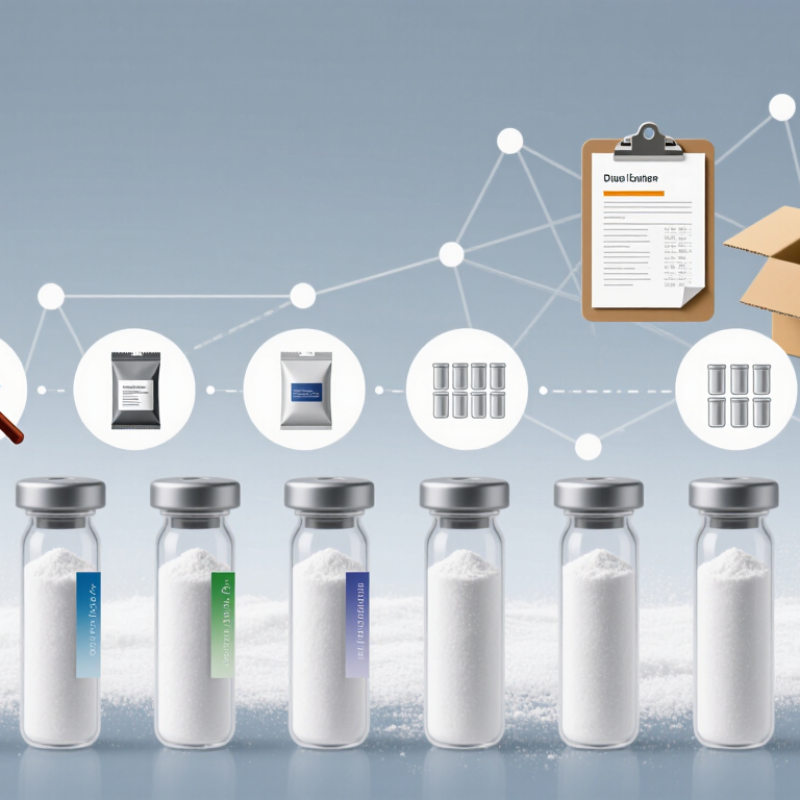
10 Best Magnesium Oxide Powder Suppliers Worldwide

Understanding Magnesium Oxide Powder and Its Main Applications

Magnesium oxide powder, often called magnesia, is a white mineral material produced from magnesium-rich ores or brines. Its behavior depends on how it is processed. Lightly calcined powder can react readily with water, while material fired at higher temperatures is less reactive and more heat-resistant. That distinction matters.

A major application is refractory production. MgO’s high melting point helps line furnaces and other equipment exposed to intense heat. In ceramics and glass manufacturing, it can adjust material properties, though the correct particle size and impurity level depend on the formulation. Some grades also serve in electrical insulation, construction products, and agricultural soil treatment. Not every grade fits. Industrial powder should not be treated as interchangeable with food, feed, or pharmaceutical grades.

For practical selection, check the MgO assay, particle-size distribution, loss on ignition, and relevant impurity limits. A fine powder may disperse well, but it can also create more dust during handling. Ask for a current certificate of analysis and safety data sheet, then compare results with the intended process. I would be cautious about relying on a single headline purity figure; it does not describe reactivity or consistency between batches. Bulk density and moisture can matter too, especially when powder must flow through feeders or be stored for long periods.


How to Evaluate Magnesium Oxide Powder Suppliers

Choosing a magnesium oxide powder supplier requires more than comparing price and purity claims. The USGS Mineral Commodity Summaries 2024 estimated global magnesite mine production at about 29 million metric tons in 2023. This figure describes the upstream mineral market, not finished MgO powder, but it shows why processing and quality controls matter. Ask suppliers for a current certificate of analysis covering MgO assay, loss on ignition, particle-size distribution, and relevant trace impurities. Check that test methods and units are consistent across quotations. Small details matter.

Supplier documents should connect each batch to its production date, origin, and test results. Request representative samples, then compare them with the specification you actually need. For reactive grades, ask how reactivity is measured and whether results remain stable between lots. Confirm packaging, moisture protection, lead times, and procedures for handling out-of-spec material. A polished brochure is not proof of process control. Neither is one excellent sample. I would give more weight to traceable records and repeatable test results, though these can take time to review.

Tips: Ask for recent batch records, not only a generic specification sheet. Have an independent laboratory verify a sample when the application is sensitive. Compare the supplier’s stated tolerances with your own acceptance limits. If a quote is unusually low, clarify grade, test frequency, and delivery terms before deciding.

Profiles of 10 Leading Magnesium Oxide Powder Suppliers Worldwide

Worldwide magnesium oxide powder suppliers differ in scale, grade range, and technical support. These ten profiles are comparison points, not a verified ranking.

A North American mineral producer may offer bulk industrial grades and regional delivery. A European specialty processor may emphasize controlled particle size and detailed test reports. An East Asian manufacturer may serve high-volume buyers with several grades.

A Southeast Asian distributor can provide local stock and smaller shipments. An Indian producer may combine domestic mineral access with export experience. Useful details. Ask each for recent certificates of analysis and batch traceability.

A Middle Eastern industrial supplier may focus on nearby construction and manufacturing markets. A Latin American importer-distributor can simplify regional purchasing, though lead times vary. An African mineral processor may offer locally sourced material, but buyers should confirm processing consistency.

A Japanese precision-grade supplier may stress tight specifications and careful packaging. A global export consolidator may coordinate shipping across multiple origins. That convenience has limits. A polished specification sheet is not proof of steady performance; request samples, compare impurity limits, and check how moisture is controlled. I would also confirm packaging protects the powder from humidity during transit.

Comparing Supplier Products, Certifications, and Global Reach

A useful comparison of ten magnesium oxide powder suppliers starts with the product, not the sales brochure. Check assay, particle-size distribution, bulk density, and reactivity against your process. A fine, free-flowing powder may suit a different mixing line than a coarse grade. Ask for a recent certificate of analysis and a production-lot sample. Small differences matter.

Supply geography also matters. The USGS Mineral Commodity Summaries 2025 estimates global magnesite production at about 29 million metric tons in 2024, with China contributing roughly 21 million. This concentration makes origin, shipping routes, and contingency stock worth checking. Compare stated lead times with actual port options, regional warehouses, minimum orders, and backup production sites. A low quote can lose its appeal when a shipment slips.

Certifications help, but they are not interchangeable. Review the scope and validity of ISO 9001 quality-management and ISO 14001 environmental-management certificates, then check whether the site making your powder is covered. Request traceability details, change-control procedures, and test methods—not just a logo on a PDF. For specialized uses, confirm applicable customer or sector requirements directly. Paperwork can look complete. It may still leave gaps. A fair comparison records verified specifications, delivery performance, and unanswered questions side by side.

Key Considerations for Sourcing and Purchasing Magnesium Oxide Powder

When comparing magnesium oxide powder suppliers, begin with the intended use. Material for refractory applications may need different particle sizes and impurity limits than material used in agriculture or water treatment. Ask for a current certificate of analysis that lists assay, moisture, and relevant trace elements. Check whether the reported values apply to the supplied grade, not just a typical product.

Small details matter. Request a sample and compare its color, flow, and particle consistency with the specification. A first sample can look reassuring, perhaps too reassuring. Confirm how the supplier controls batch variation and retains production records. Ask about packaging, too: sealed, moisture-resistant bags can help prevent clumping during storage and transport. The safety data sheet should match the exact product.

Price matters, but it is not the whole cost. Freight, minimum order quantities, lead times, and damaged-bag allowances can change the final figure. Ask how changes in specifications or delivery dates are communicated. A polished specification sheet is useful, but it cannot replace clear answers and supporting documents. I would also check whether the supplier can provide consistent paperwork across repeat orders; this is easy to overlook when a first purchase goes smoothly. Before committing to volume, compare samples and written terms side by side.

Magnesium Oxide Powder: A Composition Check for Sourcing

Pure magnesium oxide (MgO) has a theoretical mass composition of approximately 60.3% magnesium and 39.7% oxygen, calculated from the standard atomic masses of magnesium and oxygen. This is a formula-based reference, not a product purity specification; check the supplier’s certificate of analysis for actual composition and impurities.

Wordpress Social Share Plugin powered by Ultimatelysocial
Facebook
X (Twitter)
YouTube
LinkedIn
Share

Purchase Product Request

Request Pricing