What are the Best CNC Turned Components for Global Buyers?
In today's global marketplace, the demand for high-quality Cnc Turned Components is rapidly increasing. Manufacturers across various industries seek reliable suppliers that can deliver precision-engineered parts. With advancements in technology, CNC turning has become a preferred method for producing complex components. These parts are essential in sectors like aerospace, automotive, and electronics.
Understanding the best CNC turned components can be challenging due to the vast array of materials and designs available. Buyers must evaluate not only the quality but also the functionality of these components. Each industry has unique requirements, making it essential to select components that fit specific applications. The market is crowded, and not all suppliers maintain the same standards.
Buyers should seek out manufacturers with proven expertise in CNC turning. They need to emphasize experience and past performance. Engaging with reliable suppliers helps to mitigate risks associated with quality and delivery timelines. This is crucial when considering investment in CNC turned components for production lines. Each decision impacts overall project success.
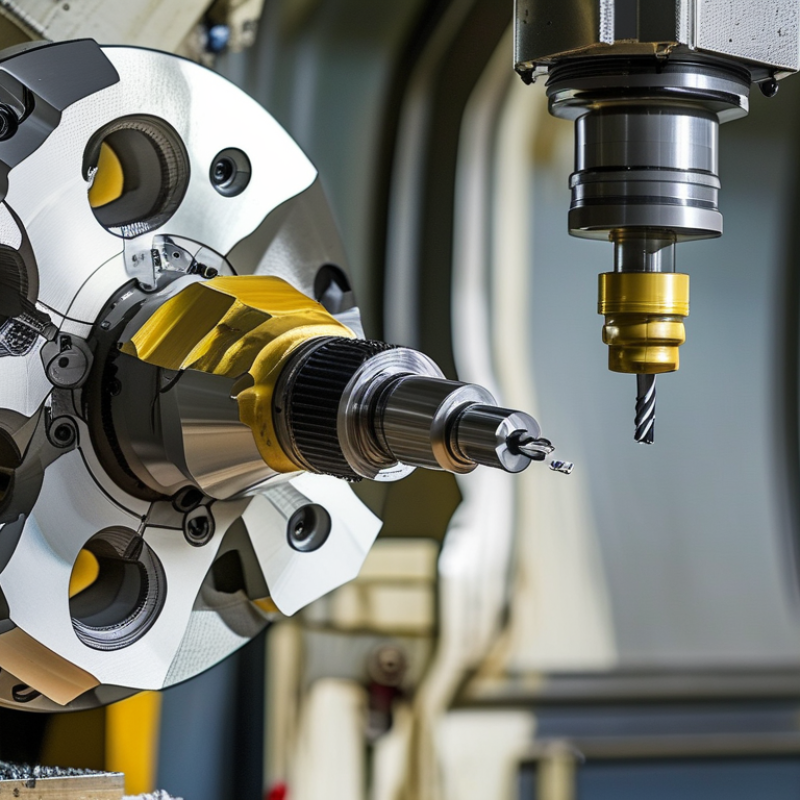
Key Characteristics of High-Quality CNC Turned Components
When evaluating CNC turned components, certain characteristics define high-quality products. Precision is paramount. Accurate measurements and tolerances ensure components fit perfectly in their applications. This reliability is crucial for industries like aerospace and automotive. Flawless finishes also enhance functionality and aesthetics.
Material choice plays a significant role in quality. Metals like stainless steel and aluminum resist wear and corrosion. Consider the component's operational environment. A component that performs well in one setting may falter in another. Durability can often mismatch expectations.
Tips: Always request test reports for critical components. It builds trust in the manufacturer’s claims. Additionally, engage with suppliers who have a strong history of delivering consistent quality. Reliability in communication reflects their manufacturing process.
Another aspect to scrutinize is the manufacturer's capacity for customization. Off-the-shelf parts may not always meet specific needs. Tailored solutions often yield better performance but require clear communication. Misunderstandings about specifications can lead to unsatisfactory outcomes. Evaluating prototypes can help identify potential issues before full-scale production.
Common Materials Used in CNC Turning for Global Markets
CNC turning is vital for manufacturing precise components across various industries. The choice of materials significantly impacts the performance and durability of these components. Common materials include metals, plastics, and composites. According to a report by MarketsandMarkets, the global CNC machining market is projected to reach USD 100 billion by 2025, highlighting the growing importance of quality materials.
Metals like aluminum and stainless steel are preferred for their strength and resistance to corrosion. Aluminum, for instance, is lightweight and has excellent machinability. Stainless steel, on the other hand, is valued for its toughness and is frequently used in aerospace applications. Plastics such as nylon and PTFE are also common, especially in industries needing lightweight yet durable components.
Tip: When selecting materials, consider the intended application. For high-stress environments, metals may be necessary, while lighter applications might benefit from plastics.
Composites, though often overlooked, offer unique advantages. They can be engineered for specific properties, combining the strengths of various materials. However, they may present challenges in CNC turning due to their abrasive nature. A balance between innovation and practicality is crucial.
Tip: Always test a small batch before full production. This helps identify potential issues and ensures quality.
Top Industries Utilizing CNC Turned Components Globally
CNC turned components play a crucial role across various industries globally. Automotive, aerospace, and medical sectors are among the top users. According to a recent industry report, the automotive industry accounts for nearly 30% of the total demand for these components. Manufacturers rely on precision turned parts for engines, transmissions, and chassis components.
In the aerospace sector, precision is vital. CNC turned components ensure reliability and safety. A report from industry analysts highlights that aerospace applications require components to withstand extreme conditions. This demands rigorous quality checks and adherence to strict regulations. Medical devices also utilize these components extensively. In fact, around 15% of CNC turned parts are used in healthcare applications, from surgical instruments to implants.
Despite advancements, challenges remain. Not all manufacturers meet the required precision levels. Companies face scrutiny regarding reliability and quality control. Buyers must conduct thorough assessments to minimize risks. This highlights the importance of collaboration with skilled manufacturers. Knowledge sharing and continuous improvement are essential for success in this field. These industries exemplify the growing importance of CNC turned components.
Factors Influencing the Selection of CNC Turned Components
When selecting CNC turned components, several factors come into play. Material choice is crucial. Common materials like aluminum, brass, and stainless steel each offer unique characteristics. Reports indicate that the global CNC machining market is expected to reach $100 billion by 2025. This growth underscores the need for precision and quality in turned components.
Manufacturing process is another vital consideration. The choice between high-speed machining and traditional methods can affect accuracy and turnaround time. For example, high-speed CNC turning often provides faster production rates. However, it can also lead to higher tool wear rates and increased costs. Balancing efficiency and expense can be challenging.
Tip: Always ask for sample parts before committing to large orders. This approach allows you to evaluate quality thoroughly. Engaging with experienced suppliers is also essential, especially for complex designs. They can offer insights into manufacturability and material suitability. Remember, not all suppliers provide the same level of expertise or reliability. Thus, thorough vetting is crucial in your selection process.
What are the Best CNC Turned Components for Global Buyers? - Factors Influencing the Selection of CNC Turned Components
| Component Type | Material | Typical Applications | Surface Finish | Precision Level |
| CNC Shafts | Stainless Steel | Automotive, Aerospace | Polished | High Precision |
| CNC Brackets | Aluminum Alloy | Electronics, Robotics | Anodized | Medium Precision |
| CNC Housings | Carbon Steel | Industrial Machines | Powder Coated | Standard Precision |
| CNC Adapters | Brass | Plumbing, HVAC | Satin Finish | High Precision |
| CNC Connectors | Titanium | Aerospace, Medical | Electroplated | Ultra-High Precision |
Emerging Trends in CNC Turning Technology for Buyers
Emerging trends in CNC turning technology are shaping the future of manufacturing. As global buyers seek high-quality components, understanding these trends becomes essential. Advanced automation is a significant trend. Automated CNC machines enhance efficiency and reduce human error. This leads to consistent quality and shorter production times. However, reliance on automation may sometimes overlook the need for skilled operators who can troubleshoot issues effectively.
Another vital trend is the shift towards sustainable practices. Many manufacturers are adopting eco-friendly materials and processes. This is not just an ethical choice; it's becoming a competitive advantage. Buyers should consider suppliers who prioritize sustainability. This can enhance their brand's reputation and meet increasing consumer demands.
Tips for buyers include researching supplier capabilities and technologies. Evaluate their commitment to innovation and sustainability. A visit to the manufacturing facility can provide valuable insights. Engage with the technical team to assess their expertise in CNC turning. Quality is not just about the final product; it’s also about the process and people behind it. Balancing technology with skilled craftsmanship is crucial for the best outcomes.