Top Benefits of Printed Circuit Board Assembly in Modern Electronics?
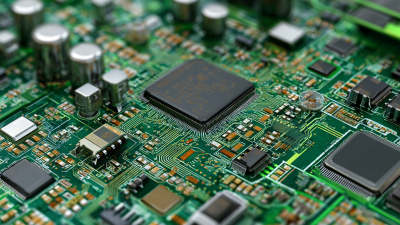
In today’s fast-paced world, the importance of printed circuit board assembly (PCBA) cannot be overstated. As technology advances, so does the complexity of electronic devices. Experts recognize the pivotal role PCBA plays in modern electronics. Dr. Emily Carter, an industry leader, once stated, “Printed circuit board assembly is the backbone of electronic innovation.”
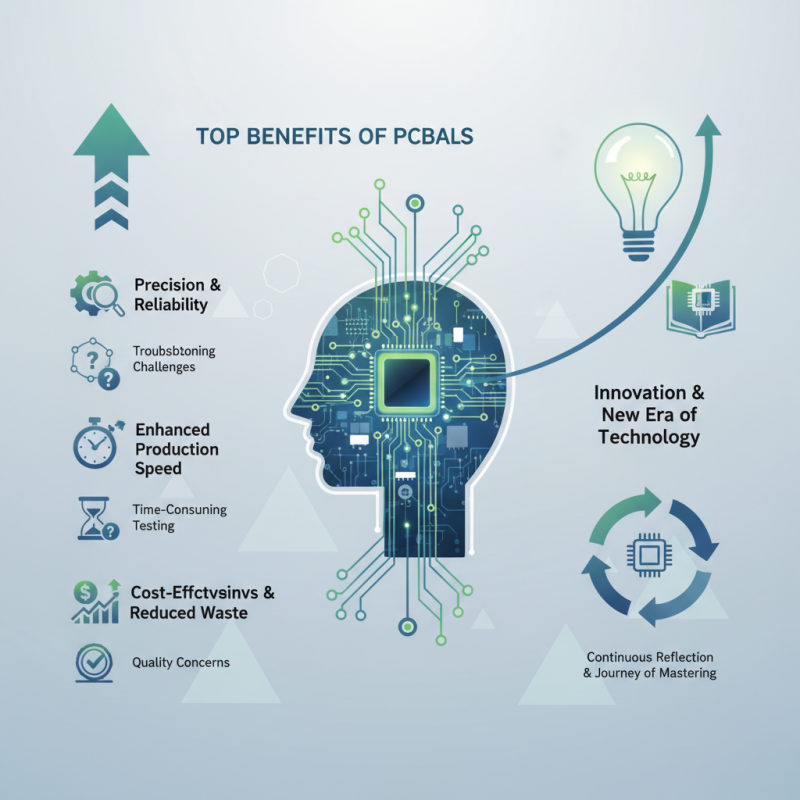
Within the realm of PCBA, there are numerous benefits. First, the precision of automated assembly improves product reliability. However, this precision can sometimes lead to challenges in troubleshooting and maintenance. Every assembly must undergo rigorous testing, which can be time-consuming. It poses questions about efficiency versus accuracy.
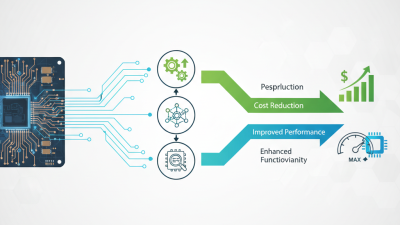
Moreover, the cost-effectiveness of PCBA is notable for businesses. It reduces material waste and enhances production speed. Yet, we must consider whether cutting costs compromises quality. Continuous reflection on these dynamics is essential for anyone in the electronics industry. The journey of mastering printed circuit board assembly is fraught with challenges, yet it is key to ushering in a new era of technological advancements.
Advantages of Printed Circuit Board Assembly in Electronics Manufacturing
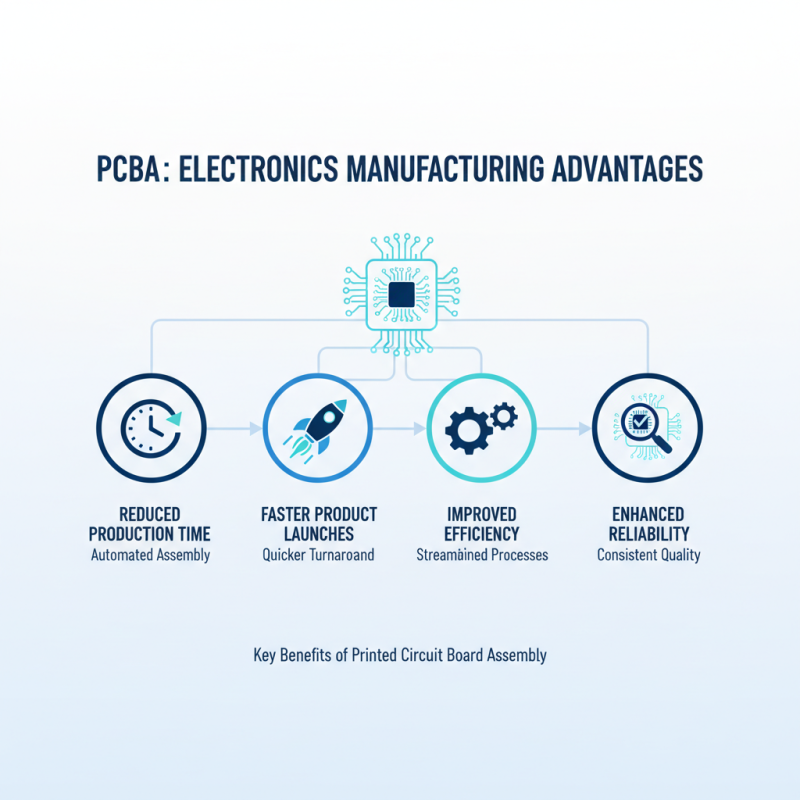
Printed Circuit Board Assembly (PCBA) has become a cornerstone in modern electronics manufacturing. It offers numerous advantages that contribute to efficient production processes. One significant benefit is the reduction in production time. Automated assembly methods streamline the process, leading to faster turnaround. Companies often find that they can assemble complex circuits in a fraction of the time it would take manually. This efficiency enables quicker product launches.
Cost-effectiveness is another critical advantage of PCBA. Designing and assembling PCBs can lower manufacturing costs significantly. Bulk purchasing of materials can lead to savings. However, the initial investment in quality machinery might seem daunting for smaller firms. They must weigh the benefits against the costs of high-quality assembly processes. Imperfections can arise during assembly, and companies must be prepared to address these in real-time.
Additionally, PCBA enhances product reliability. A well-assembled PCB can withstand mechanical stress and electrical interference. This durability is essential in today’s complex devices, from smartphones to home appliances. Yet, achieving high reliability requires constant quality control. Manufacturers must remain vigilant, as errors can lead to product failures. They need to balance production speed with precision to ensure lasting performance.
Enhanced Reliability and Durability of PCBA in Modern Devices
Printed Circuit Board Assembly (PCBA) plays a crucial role in modern electronics. One key advantage is its enhanced reliability. In today’s fast-paced world, devices must perform consistently. PCBA ensures that connections are firm and well-organized, reducing the risk of failure. A well-assembled circuit board can withstand various conditions, which is vital for consumer satisfaction.
Durability is another significant factor. Electronic devices are often subject to wear and tear. PCBA enables manufacturers to create robust assemblies that endure shocks and vibrations. These circuit boards can operate in harsh environments, making them essential for automotive and industrial applications. However, not all PCBA processes are perfect. Mistakes can happen during assembly, leading to potential weaknesses.
The impact of environment on PCBA should not be underestimated. For instance, exposure to moisture can compromise performance. Manufacturers must consider materials carefully. The right selection can enhance durability, but it adds complexity. Testing is needed to identify flaws. Every assembly process must be scrutinized. This ongoing evaluation is critical for continuous improvement in electronic reliability.
Top Benefits of Printed Circuit Board Assembly in Modern Electronics
| Benefit |
Description |
Impact on Electronics |
| Enhanced Reliability |
PCBA ensures components are securely connected and insulated, reducing the risk of failure. |
Leads to longer product lifespans and decreased maintenance costs. |
| Durability |
Modern PCBAs are built to withstand environmental factors and mechanical stress. |
Increases the robustness of devices in various industries. |
| Cost Efficiency |
Mass production of PCBAs reduces price per unit significantly. |
Enables access to advanced technology at lower costs for consumers. |
| Compact Design |
PCBA allows for smaller and more compact designs. |
Facilitates innovation in portable and handheld devices. |
| Ease of Maintenance |
PCBA can simplify troubleshooting and component replacement. |
Reduces downtime and operational costs. |
Cost-Effectiveness of PCBA in Large-Scale Production
Printed Circuit Board Assembly (PCBA)
significantly reduces production costs in electronics manufacturing. When producing large quantities,
economies of scale become crucial. By streamlining components and minimizing manual labor, manufacturers can cut costs.
High-speed machines handle PCB assembly efficiently, ensuring consistency and quality.
However, cost-effectiveness doesn't always mean perfection.
Quality control can sometimes falter in high-volume runs, leading to defective boards. Errors may slip through the cracks
when prioritizing speed. Additionally, sourcing low-cost materials might compromise performance. Investing in
quality is essential to avoid long-term issues.
Balancing cost and quality remains a challenge. Manufacturers need to continuously assess their processes.
Regular audits can help identify areas for improvement. Focusing solely on cost-cutting may lead to oversights
that impact overall product reliability. As the industry evolves, staying mindful of these dynamics is essential for
sustainable practices.
Improved Design Flexibility and Customization of PCBAs
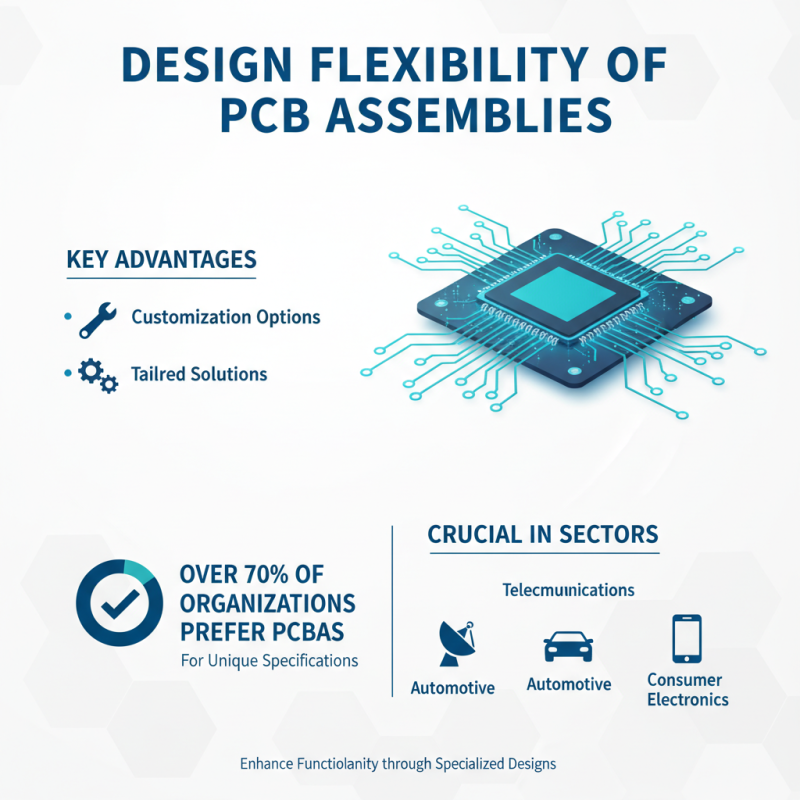
The design flexibility of Printed Circuit Board Assemblies (PCBAs) is a game-changer in modern electronics. Customization options allow engineers to create tailored solutions for specific applications. This adaptability is crucial in sectors like telecommunications, automotive, and consumer electronics. According to industry reports, over 70% of organizations favor PCBAs for their ability to meet unique specifications. This statistic underscores the growing trend towards specialized designs that enhance functionality.
Engineers can manipulate layout, size, and component placement during the design phase. These choices lead to more efficient use of space and improved performance. However, challenges arise when balancing complexity and manufacturability. Additionally, selecting the right materials can impact durability and cost. A recent survey revealed that 40% of firms reported difficulties in sourcing components that fit their custom designs. This gap highlights the need for improved supply chain strategies and clearer communication with manufacturers.
The ability to modify PCBAs also extends to rapid prototyping. With faster iterations, teams can test and refine designs quickly. However, pushing the boundaries of customization may lead to unforeseen challenges. According to a recent analysis, 30% of custom designs require multiple revisions before reaching production. This reality emphasizes the importance of thorough testing and validation in the design process. Balancing creativity with practicality remains a significant consideration in the evolving landscape of electronics.
Faster Production and Assembly Processes in Electronics Industry
The electronics industry thrives on rapid innovation and efficient production. Printed circuit board assembly (PCBA) accelerates this process significantly. By integrating multiple electronic components onto a single board, manufacturers can reduce the complexity of assembly tasks. This streamlining often results in fewer errors and quicker turnaround times.
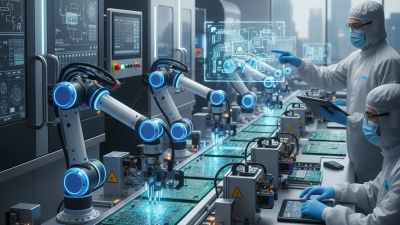
Automated machinery plays a vital role in this efficiency. Machines can place tiny components accurately, allowing for faster production rates. As a result, manufacturers can meet consumer demands without compromising quality. However, relying heavily on automation can sometimes lead to oversights. Human inspection remains essential to catch potential flaws.
The balance between speed and accuracy is crucial. While faster processes can lower costs and enhance output, they also increase the risk of defects. Continuous evaluation of assembly techniques is necessary. Each cycle of production should include thorough reviews to identify areas for improvement. Adapting to the challenges of rapid assembly ensures the industry keeps pace with technological advancements.
Top Benefits of Printed Circuit Board Assembly in Modern Electronics