What is Aluminium Radiators and Why Choose Them?
Aluminium Radiators are becoming a preferred choice for heating solutions. With their lightweight design and efficient heat transfer, they stand out in the market. According to industry expert Dr. Emily Carter, "Aluminium Radiators combine efficiency with elegance, making them an optimal choice for modern homes."
In recent years, homeowners have shifted towards more sustainable and stylish heating options. Aluminium Radiators not only provide excellent warmth but also add aesthetic value. Many regard them as a blend of practicality and design. Yet, there are still concerns regarding their long-term durability. It's essential to weigh the benefits against potential setbacks.
Choosing Aluminium Radiators can be an investment. The market is filled with various options, and understanding your needs is crucial. Reflecting on practicality, efficiency, and style will lead to better decisions. In the world of heating, Aluminium Radiators are certainly worth considering. But do they fit your specific situation?
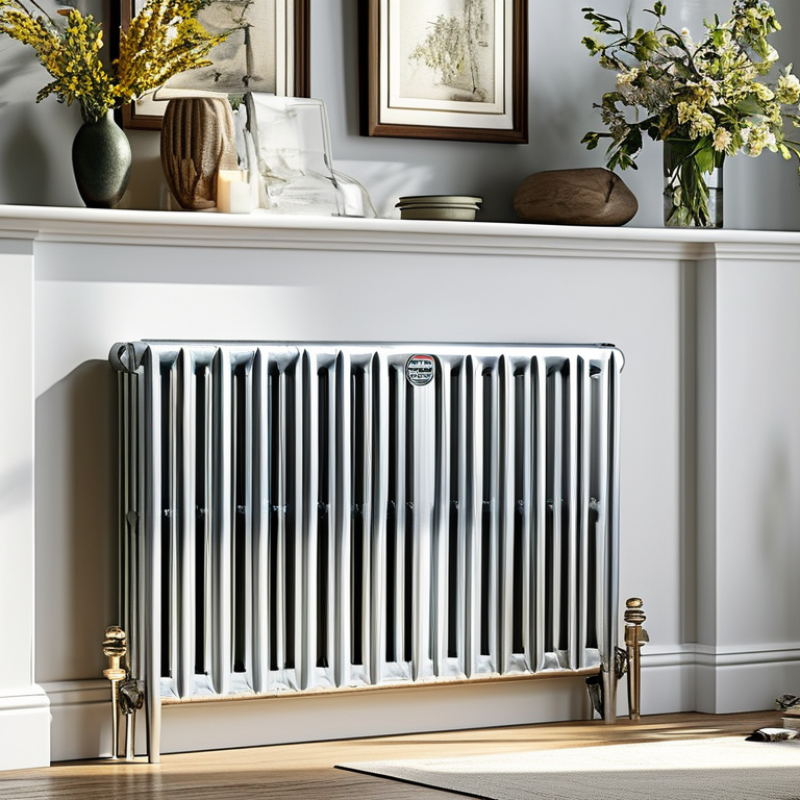
What is Aluminium Radiators and Their Composition
Aluminium radiators are increasingly popular in heating systems. Their composition is a key factor contributing to their efficiency. These radiators are primarily made of aluminium, which offers excellent thermal conductivity. This means they can heat up quickly and distribute warmth effectively throughout a room.
The unique structure of aluminium allows for lightweight design while maintaining durability. This makes them easier to install and handle compared to traditional materials. The surface area of aluminium radiators is often maximized, enhancing their ability to transfer heat. However, some may question their longevity compared to heavier alternatives.
One potential drawback is susceptibility to corrosion when not properly maintained. Regular checks can prevent any degradation. Additionally, some users report that the aesthetic of aluminium radiators may not suit all decor styles. Overall, understanding the composition and characteristics of aluminium radiators can inform better choices for heating needs.
Advantages of Using Aluminium Radiators Over Other Materials
Aluminium radiators are increasingly popular in heating systems. They offer a combination of efficiency and style. The lightweight nature of aluminium makes installation easier. Their quick heat-up time means rooms warm faster than with other materials.
One significant advantage of aluminium radiators is their energy efficiency. They require less water to operate, which reduces energy consumption. This can lead to lower heating bills over time. Additionally, aluminium has excellent thermal conductivity. This property helps distribute heat evenly throughout the room, minimizing cold spots.
In contrast, some traditional radiators are heavier and slower to respond. This can mean higher energy costs over time while failing to heat spaces effectively. While aluminium radiators seem ideal, potential issues include less durability than steel variants under certain conditions. Homeowners should consider their specific needs and environment when choosing a radiator type.
What is Aluminium Radiators and Why Choose Them? - Advantages of Using Aluminium Radiators Over Other Materials
| Feature | Aluminium Radiators | Steel Radiators | Cast Iron Radiators |
| Weight | Lightweight | Moderate | Heavy |
| Heat Distribution | Rapid | Moderate | Slow |
| Corrosion Resistance | High | Moderate | Low |
| Installation | Easy | Moderate | Difficult |
| Cost | Affordable | Moderate | Expensive |
| Aesthetic Appeal | Modern | Classic | Traditional |
How Aluminium Radiators Work: Mechanism and Efficiency
Aluminium radiators are becoming increasingly popular in modern heating systems. They work by circulating hot water through their metal panels. This efficient design allows for rapid heat emission while utilizing less energy. Unlike traditional radiators, aluminium models warm up quickly and retain heat longer. Their lightweight nature makes installation straightforward and versatile.
Tip: When considering aluminium radiators, check the size and layout of your space. A well-planned placement can enhance heating efficiency.
Many users appreciate how these radiators distribute warmth evenly across rooms. The sleek design also complements various interior styles. However, some people may find that they can overheat if not managed properly. Balancing temperature settings is crucial to avoid excessive energy expenditure.
Tip: Regular maintenance is key. Clean the surfaces monthly to ensure optimal heat transfer and prevent dust build-up.
In conclusion, aluminium radiators provide an excellent heating solution. Their mechanism offers not only efficiency but also aesthetic appeal. Users should weigh the pros and cons to determine if they meet their heating needs.
Common Applications and Uses of Aluminium Radiators
Aluminium radiators have become increasingly popular in various industries. Their lightweight nature makes them ideal for automotive applications. According to a report by the International Aluminium Institute, aluminium use in vehicles can reduce weight by up to 50%. This weight reduction leads to improved fuel efficiency and lower emissions, which are essential in today's environmentally conscious world.
Beyond automotive uses, aluminium radiators also excel in HVAC systems. Their excellent thermal conductivity provides efficient cooling and heating. A study from the American Society of Heating, Refrigerating and Air-Conditioning Engineers (ASHRAE) highlights that aluminium radiators can improve energy efficiency by up to 30% when compared to traditional materials. They are also resistant to corrosion, making them suitable for various environments.
However, it’s essential to note some limitations. While aluminium is durable, it may not always withstand extreme pressure without potential issues. Additionally, some users have reported concerns over compatibility with certain coolant types. These points should be considered when selecting aluminium radiators for specific applications, ensuring that they meet the necessary requirements.
Factors to Consider When Choosing Aluminium Radiators for Your Needs
Choosing the right aluminium radiators involves several key factors. One of the most crucial aspects is the radiator's heat output. Radiators are rated in BTUs (British Thermal Units). According to industry reports, an average aluminium radiator produces up to 30% more heat than steel counterparts. This efficiency can be a game-changer for home heating.
Another important consideration is the size and style of the radiator. Aluminium radiators come in various designs and sizes. They can fit into tight spaces or serve as statement pieces in a room. Ensure the radiator's dimensions match your room’s heating requirements. A poorly sized radiator can lead to inefficiency and discomfort.
Durability is another factor to weigh. Aluminium is inherently resistant to corrosion, leading to a longer lifespan. However, the thickness of the aluminium can vary significantly among products. Thinner materials may dent easily and lose efficiency over time. Always look for detailed product specifications and consider customer reviews for insights into long-term reliability.