Airport Fence Tips for Security and Safety Best Practices?
In today's aviation landscape, the significance of an effective airport fence cannot be overstated. According to security expert Mark Adams, “A robust airport fence is the first line of defense against unwanted threats.” This statement highlights the critical role that airport fencing plays in safeguarding both passengers and aircraft.
Modern airport fence designs incorporate advanced materials and technologies. They must be tall, sturdy, and equipped with surveillance systems. Regular maintenance is crucial to ensure they remain effective. However, many airports still face challenges in optimizing their fencing solutions. Poor visibility and inadequate lighting can create blind spots.
Moreover, the fence must be integrated with other security measures. This collaboration often reveals gaps that require further attention. Understanding these complexities can lead to better strategies. Ultimately, crafting an effective airport fence is not just about physical barriers; it requires constant evaluation and improvement.
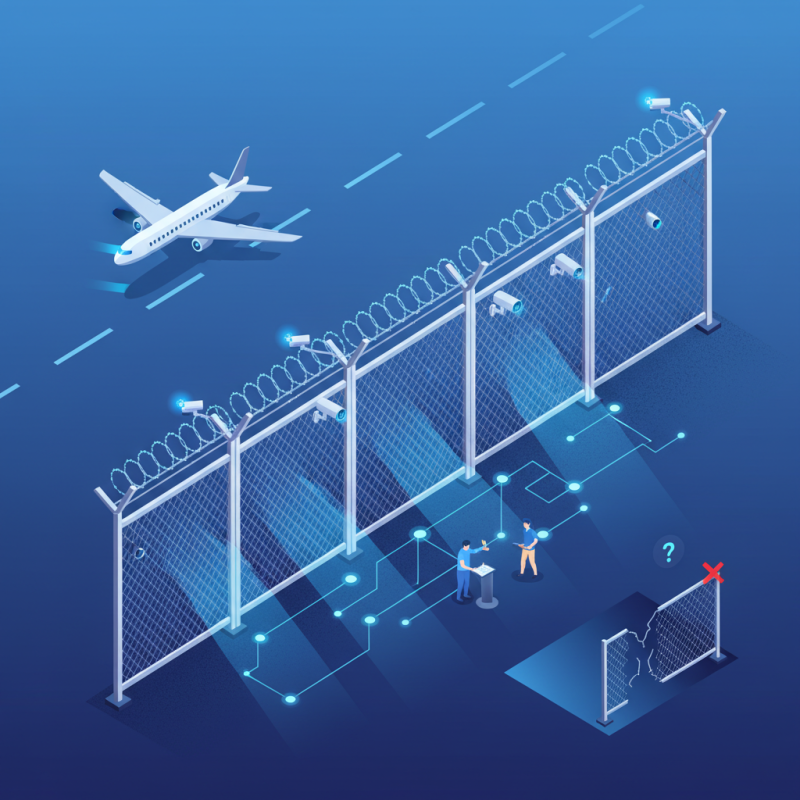
Understanding the Importance of Airport Fencing for Security
Airport fencing plays a critical role in enhancing security. According to a report from the Security Industry Association, robust fencing can deter unauthorized access and potential threats. It is estimated that over 75% of airport security breaches occur due to inadequate physical barriers. A well-constructed fence not only protects the airport perimeter but also helps maintain the integrity of operations.
Furthermore, visibility is essential. Airports should invest in designs that maximize surveillance capabilities. Fences with anti-climb features, combined with lighting, can be more effective. The International Civil Aviation Organization emphasizes that secure perimeters reduce incidents significantly. Yet, some airports struggle with maintenance, leading to vulnerabilities. Regular inspections are necessary but often overlooked. Without them, even the best fences can fail.
Integrating technology can enhance traditional fencing methods. For instance, motion sensors can alert security personnel to unauthorized intrusions. However, reliance on technology alone can be risky. A system’s failure can create blind spots, leaving airports exposed. Compounding these vulnerabilities, some airports still lack a comprehensive fencing strategy. It is crucial for stakeholders to continuously evaluate and upgrade their security measures.
Key Features of Effective Airport Fences
Airport fences play a vital role in ensuring security and safety. Effective airport fences must be robust and visible. They should stand tall, creating a physical barrier that deters unauthorized access. Materials like chain-link, barbed wire, or solid panels can enhance these barriers. The choice of material impacts not only security but also visibility. A balance between strength and transparency is crucial.
Additionally, the design of the fence is important. For instance, integration of surveillance cameras can augment security. However, not all fences include such technology. Some may lack proper lighting, creating blind spots. Regular assessments can identify these weaknesses. To maintain effectiveness, routine inspections and repairs are necessary. Fences that show wear may signal neglect. This can lead to security breaches over time, necessitating a proactive approach to maintenance.
Moreover, landscaping around airport fences should be carefully planned. Overgrown plants can provide cover for intruders. Clear zones around the fence help deter potential threats. But this requires constant effort and team coordination. Collaboration between security teams and maintenance staff is essential for optimal coverage. Without this teamwork, the integrity of the fencing system may suffer, exposing vulnerabilities.
Best Practices for Maintaining Airport Security Fencing
Maintaining airport security fencing is crucial for protecting air traffic and passengers. Fences act as the first line of defense. Regular inspections are essential. Look for rust, damage, or gaps in the fencing. These issues can lead to vulnerabilities. A damaged fence may allow unauthorized access. Small cracks can become major problems if ignored.
Enhancing visibility around the fence is also important. Clear vegetation and debris that could conceal threats. If an area is too dark, install lights to deter intruders. Proper lighting helps security personnel monitor the area effectively. Training staff to recognize potential weaknesses in the fence is vital. They should know how to report issues quickly.
Technology can aid in maintaining fence security. Install motion sensors or cameras to monitor activity. These tools can provide valuable data for security reviews. However, reliance on technology should not replace physical inspections. Regular checks combined with technology offer a comprehensive approach. Engaging with local law enforcement can further enhance safety. Their insights may reveal blind spots or concerns.
Implementing Surveillance and Technology Along Fences
Airport fences serve as the first line of defense. Adding surveillance technology enhances their effectiveness. According to a 2022 report from the Transportation Security Administration (TSA), incidents at airports often occur in poorly monitored areas. Effective surveillance can mitigate risks significantly.
Implementing cameras along fences allows for real-time monitoring. Advanced sensors can detect breaches instantly. A study from the International Air Transport Association (IATA) indicates that 70% of successful intrusions occur in blind spots. This highlights the necessity for continuous surveillance. However, integration of technology is not without challenges. Maintenance issues can lead to gaps in security.
Despite enhancements, human oversight remains crucial. Security personnel must regularly review surveillance footage. Training staff to respond to alerts is equally vital. While technology aids in detection, it's not infallible. Reports show that 30% of breaches occur even with surveillance in place. This points to the need for a holistic approach involving both technology and trained personnel.
Training Personnel on Airport Fence Security Protocols
Training personnel on airport fence security protocols is crucial for maintaining safety. According to the Transportation Security Administration (TSA), human error accounts for 60% of security breaches. A well-trained team can significantly reduce these risks. Regular training sessions should be conducted. People need to understand their roles clearly. This clarity helps foster accountability and effectiveness.
Practical drills can enhance retention. Simulation exercises can mirror real-life scenarios. These drills allow staff to practice responses. They also reveal areas needing improvement. For instance, in 2022, a study showed that airports with robust training programs had 30% fewer security incidents. However, not all training programs are equal. Some rely too heavily on theoretical knowledge.
Frequent refresher courses can address this issue. They keep the information fresh. Each personnel's awareness level is crucial for effective fence monitoring. Challenges arise when staff feel disengaged. Maintaining a motivated team is essential. An engaged workforce can better recognize suspicious activities, enhancing overall security. Airports must address these training gaps diligently.