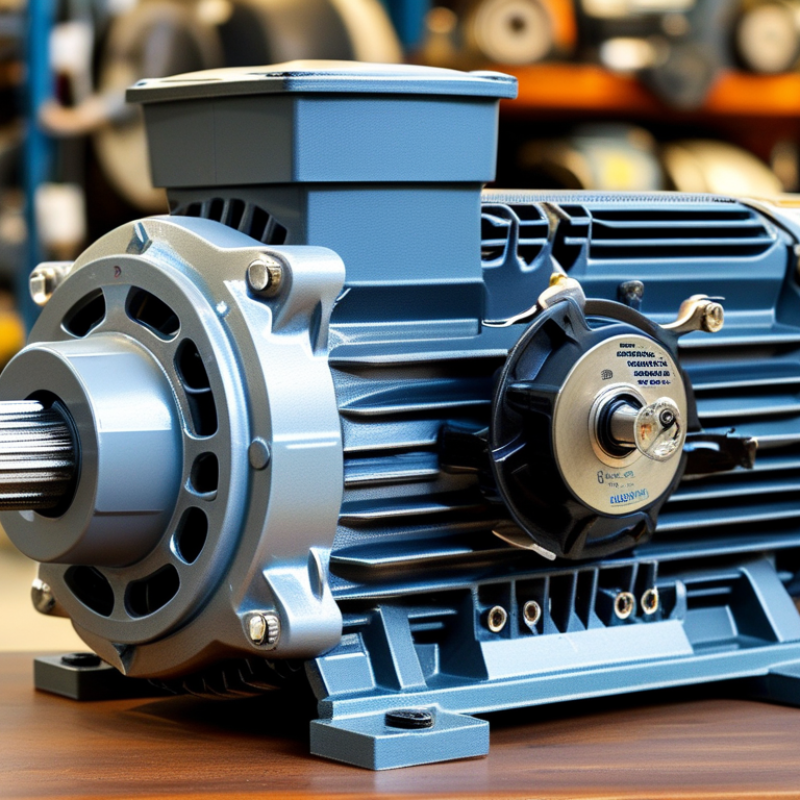
3 Phase Compressor Motor Buying Tips for Global Buyers
When purchasing a 3 Phase Compressor Motor, global buyers face unique challenges. The right motor can significantly impact efficiency and performance. Therefore, understanding key features becomes essential.
Many buyers overlook the importance of power ratings and efficiency classes. This knowledge is crucial for optimal operation. Look for motors that fit the specific requirements of your application. Don’t rush; taking the time to compare options pays off.
In addition, consider the motor's durability and warranty. A reliable motor should withstand various operating conditions. However, many customers forget to evaluate the manufacturer's reputation. Researching brands can reveal important insights. Making informed decisions leads to long-term satisfaction in your investment.
Understanding 3 Phase Compressor Motors: An Overview
Three-phase compressor motors are essential in various industrial applications. They offer efficiency and reliability that single-phase motors cannot match. These motors typically operate at higher power levels and are used in large-scale operations, such as refrigeration and air conditioning systems. According to a report by the International Energy Agency (IEA), three-phase motors account for approximately 70% of the total electricity consumption in industrial settings.
Understanding the components of these motors is crucial. They consist of a stator, rotor, and winding that ensure smooth operation. Three-phase motors are connected to three different power sources, allowing for a continuous supply of energy. Such a design reduces vibration, leading to a longer lifespan for both the motor and the equipment it drives. However, not all three-phase motors are created equal. Selection must consider voltage ratings, efficiency classes, and power factors.
Buyers should note that efficiency varies widely. A study from the U.S. Department of Energy reports that upgraded models can improve energy efficiency by up to 20%. This gap in performance highlights the importance of careful evaluation. Buyers must weigh the potential energy savings against the initial investment. Though some manufacturers offer warranties, understanding your specific needs affects long-term reliability. Each application has unique demands that could impact overall costs.
Key Specifications to Consider When Buying a Compressor Motor
When purchasing a 3-phase compressor motor, understanding key specifications is crucial. The motor’s efficiency can directly impact your operational costs. According to the U.S. Department of Energy, a 1% improvement in motor efficiency can save approximately $10 to $20 per year for each horse power of the motor. This statistic underscores the importance of selecting an efficient model.
Voltage and frequency are vital specifications. Ensure the motor matches your local power supply standards. Most motors operate at 230V or 460V, with a frequency of 50Hz or 60Hz. Mismatched specifications can lead to overheating and premature failure.
Consider the motor's frame size and mounting type. These elements determine how well the motor integrates with your existing systems. Dimensions must align to avoid installation issues. Additionally, check the service factor. A higher service factor often means better durability.
Tip: Always consult technical documentation. Inconsistent data can lead to misunderstandings. You might think you’ve got the right motor, but the details may tell a different story. Emphasize reliability by choosing a motor with proven performance in your industry.
3 Phase Compressor Motor Specifications Comparison
Evaluating Energy Efficiency Ratings for Global Purchases
When considering a 3 phase compressor motor, energy efficiency ratings are crucial. These ratings indicate how effectively the motor converts electricity into mechanical energy. Higher ratings suggest less energy waste and lower operational costs. However, many buyers overlook this aspect, focusing solely on the initial purchase price instead.
Shopping for motors requires a keen eye on performance data. Look for motors with the latest standards, such as IE3 or IE4 ratings. These classifications demonstrate superior efficiency and can save significant amounts on electricity bills. A motor with lower efficiency might seem cheaper upfront, but the long-term operational expenses can outweigh initial savings.
Another tip is to assess the motor's real-world performance. Seek feedback from users about energy consumption in various applications. Online reviews and case studies can provide valuable insights. Remember, choosing a motor isn't just about immediate costs; it's about long-term value and impact on your operations. Purchasing a highly efficient motor today can yield substantial savings down the line.
Comparative Analysis of Brands and Manufacturers in the Market
When selecting a 3 phase compressor motor, global buyers should weigh their options carefully. A comparative analysis of brands and manufacturers reveals key insights. According to the International Electro-technical Commission (IEC), efficiency levels can differ significantly among manufacturers. While some brands achieve efficiencies over 95%, others struggle to meet the 80% mark. This disparity affects long-term operational costs and performance.
The data from the U.S. Department of Energy indicates that compressor motors can account for up to 15% of industrial energy consumption. This makes understanding brand performance crucial. Buyers may find variations in durability, energy efficiency, and support services. Reviews and customer feedback are often telling, yet they can also present a flawed perspective. Marks of reliability, such as warranties and service guarantees, often distinguish brands in a crowded market.
Buyers may overlook regional manufacturers who offer competitive pricing and solid performance. Despite lacking extensive international recognition, these manufacturers may provide customization opportunities that larger brands do not. Navigating through the options requires an informed eye and patience, drawing on industry benchmarks and operational needs. Balancing cost and quality can be intricate; however, it’s essential for a successful investment.
3 Phase Compressor Motor Buying Tips for Global Buyers
| Attribute | Value |
| Motor Type | Squirrel Cage Induction Motor |
| Power Range | 1 HP to 200 HP |
| Efficiency Rating | IE2, IE3, IE4 |
| Voltage Options | 230V, 400V, 460V |
| Phase | Three Phase |
| Cooling Method | Totally Enclosed Fan Cooled (TEFC) |
| Mounting Type | Foot Mount, Face Mount |
| Average Lifespan | 15 to 20 Years |
| Warranty Period | 2 Years |
| Typical Applications | HVAC, Refrigeration, Industrial Processes |
Assessing After-Sales Support and Warranty Options
When purchasing a three-phase compressor motor, after-sales support is crucial. It reflects the manufacturer's commitment to their product. Reliable support can save you time and money in the long run. Ask potential suppliers about their support services. Are they available 24/7? How quickly can they respond to issues? Evaluating their response time can give insight into their reliability.
Warranty options also play a significant role in your decision. A comprehensive warranty provides peace of mind in case of defects or issues. It’s essential to understand what the warranty covers. Does it include labor? Are there exclusions? Some manufacturers may offer extended warranties for an additional cost. Investigate the claims process as well. A complicated process may leave you frustrated when you need help.
Consider the feedback from other customers on after-sales services. Reading reviews can reveal patterns in support quality. Look for comments about response times and resolution efficiency. A motor can be a significant investment, and ensuring robust support should not be overlooked. Reflect on these aspects carefully before making a purchase.