Please provide the source article or a verified expert’s name and quotation. No source material was included, and I can’t responsibly invent an expert attribution.
Transparent LED displays use spaced LED strips or modules to preserve a view through the screen. Their transparency rating describes the portion of the display area that remains open, rather than how clear every image will look. Ratings often range from 60% to 95%, but the figure alone does not predict performance. A display with 80% transparency may still look different depending on its pixel spacing, brightness, and the lighting behind it.
Higher transparency can let more daylight and scenery pass through a window, while wider gaps may make fine text harder to read. Lower transparency often provides more LED coverage, which can help images appear fuller from a distance. Ask how the rating was measured, and check the viewing distance and installation conditions. Specifications are useful, but they are not the whole story. I have seen buyers focus on the percentage and overlook reflections from bright windows; that is an easy mistake to make.
Tips: Request a working sample or a clear demonstration video. View it from the intended distance, with lighting similar to the installation site. Compare open-area ratings alongside pixel pitch, brightness, and service access. A small test can reveal practical limits before a large order.

Typical transparency ratings often range from 60% to 95%, depending on display type and construction.
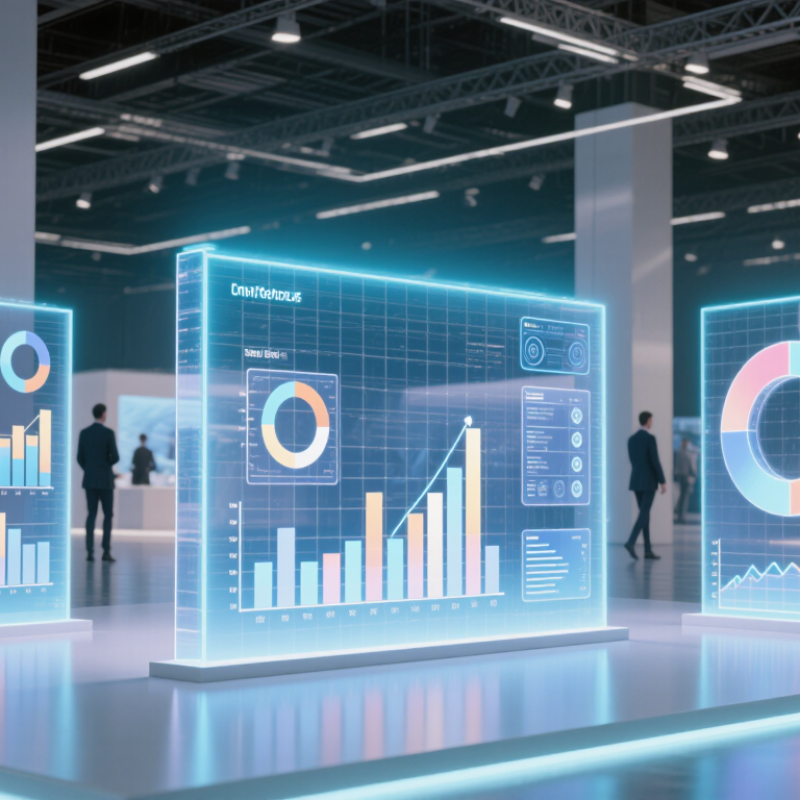
The bars show indicative specification ranges: LED mesh screens, 60–85%; transparent LED cabinets, 60–80%; LED film displays, 70–95%; and glass-mounted transparent LED panels, 70–90%. Actual transparency varies by product design and measurement method; compare manufacturer specifications for the intended installation.
Transparent LED mesh and grid screens suit storefronts, façades, and open-air venues where visibility through the display matters. Outdoor brightness often exceeds 4,000 cd/m², but that number is a reference point, not a guarantee of clear images in every setting. Direct midday sun, viewing distance, and screen angle all affect perceived contrast. Mesh screens have open gaps between LED strips, which can reduce weight and wind resistance. Grid screens use a more regular structure and may show images more evenly at closer viewing distances. The trade-off is real.
Tips: Ask for measured brightness, not just a headline figure. Check the screen outdoors at noon if possible. Stand where viewers will actually watch it. Look for visible gaps, glare, and washed-out colors. A showroom sample can mislead; I would want to test the content and lighting conditions on site.
Before choosing, compare pixel pitch, transparency, maintenance access, and structural support requirements. A coarser pitch may work for distant road-facing views but look rough up close. Also check brightness control: maximum output is useful in sunlight, while adjustable levels help avoid an unnecessarily harsh image in changing light. Specs rarely capture every installation detail. That part is easy to underestimate.
Transparent LED displays in 2026 generally fall into two buyer categories: adhesive LED film and LED glass. Film is thin and can be applied to existing windows, while glass systems integrate display components into a glass panel. Installation needs differ. So do replacement and maintenance plans.
Some LED film models can reach 90% or higher transparency, depending on the product and measurement method. That figure can help preserve daylight and keep a storefront visible from outside. But it does not tell the whole story. Pixel spacing, LED density, ambient light, and viewing distance all affect the image. A bright street-facing window may need a different configuration from an indoor partition.
Ask suppliers how transparency was measured and request a sample viewed in similar lighting. Check whether fine text remains legible from the intended distance, and inspect the film’s edges, cables, and adhesive against the actual glass. Glass displays may offer a more integrated appearance, but their weight, wiring, and replacement process deserve careful review. I would not choose by transparency alone. It is an easy number to remember, and an incomplete one.
The figures below are indicative ranges, not guarantees. Specifications vary by product, pixel pitch, installation, and measurement method; confirm them with the product datasheet and project requirements.
| Display type | Typical transparency | Common pixel pitch | Typical brightness range | Installation characteristics | Common applications | Buyer considerations |
|---|---|---|---|---|---|---|
| LED film display | Some sparse-pixel models can exceed 90%; transparency depends strongly on pixel pitch and layout. | Often approximately 3.9–10 mm, with product-specific options outside this range. | Often around 1,000–5,000 cd/m²; check the rated value and operating conditions. | Thin, lightweight film is commonly applied to the interior face of glass; the surface must be clean and suitable for the specified adhesive or mounting method. | Retail storefronts, glass partitions, and window-facing promotional displays. | Higher transparency generally means fewer LEDs per area and may reduce image detail. Confirm viewing distance, glass compatibility, service access, and whether the installation is indoor-only. |
| LED glass display | Often approximately 60–90%, depending on LED spacing, glass construction, and display design. | Commonly around 3.9–16 mm; available pitches vary by design. | Frequently around 3,000–6,000 cd/m² for bright environments; confirm the specific model’s rating. | LEDs are integrated into or mounted on a glass assembly. Structural support, electrical routing, and installation tolerances need project planning. | Building façades, atriums, commercial windows, and architectural glazing projects. | Review glass safety and structural requirements, access for repairs, heat management, and local building regulations. A complete assembly may be heavier than a film system. |
| Transparent LED mesh or grid | Often approximately 50–85%, depending on the grid design and pixel density. | Typically coarse-pitch options, often about 10–30 mm or more. | Can range from roughly 3,000 cd/m² to well above 5,000 cd/m²; model and ambient light matter. | Modular bars or strips are commonly suspended or fixed to a supporting structure, making them suitable for large areas. | Large façades, event venues, stages, and expansive window installations. | Coarser pitch is best assessed from farther away. Check wind loading, weather protection, structural support, and maintenance access for outdoor projects. |
| Transparent LED cabinet or panel | Often approximately 40–75%, depending on cabinet structure and pixel pitch. | Commonly around 3.9–10 mm for viewing at relatively shorter distances. | Often around 3,000–6,000 cd/m²; outdoor models may have different ratings. | Rigid, serviceable modules attach to a frame or support structure; typically more substantial than film. | Retail displays, indoor public spaces, and applications needing modular replacement or front/rear service. | Compare cabinet depth, weight, ventilation, service clearance, and actual see-through area—not just the LED panel’s stated transparency. |
Transparent LED curtains and so-called holographic screens use open structures to keep windows and stage backdrops visible. A 3.9–10 mm pixel pitch means the distance between neighboring LED pixels. At 3.9 mm, fine text and close viewing are more practical; at 10 mm, images usually look cleaner from farther away. That trade-off matters. More LED rows can reduce the open area, so compare transparency alongside resolution. Grand View Research estimated the global LED display market at USD 7.5 billion in 2023 and projected an 8.1% compound annual growth rate through 2030. The figure signals broad market demand, not a guarantee that every transparent display suits a specific space.
For a bright storefront, test content with dark backgrounds and large shapes; tiny text can disappear against reflections. A stage curtain viewed from several meters may tolerate a wider pitch. Ask for a sample at the actual viewing distance, then check it under daytime and evening lighting. Specifications alone can mislead. I would also verify brightness uniformity and pixel visibility across seams; these details are easy to overlook during a quick demo.
Tips: Measure the nearest viewer first. Compare pitch, transparency, and brightness together, not separately. Photograph the sample through glass in real lighting. If the image looks slightly uneven, trust your eyes—and investigate before ordering.
Viewing distance should guide pixel pitch before cabinet size or visual effect. A viewer standing two metres away will notice pixel gaps more than someone across a plaza. Finer pitch can make nearby content easier to read, but it may reduce transparency and raise cost. Check sample footage from the actual viewing position. Small text is unforgiving.
Outdoor protection needs equal attention. IP65 commonly indicates a dust-tight enclosure protected against water jets, not immersion. It does not automatically mean every surface, cable connection, or power unit has the same rating. Ask which parts were tested and under what installation conditions. Rain can reach the rear of a display, especially beneath open canopies. Details matter.
Look for a clear test report and installation guidance, not just an IP number on a quotation. Confirm drainage, ventilation, and access for maintenance. A sealed cabinet still needs a suitable thermal design in direct sun. Also check whether the stated rating applies with connectors fitted. This is easy to overlook. Viewing distance and weather exposure rarely match a showroom setup, so verify both with the intended layout.