2026 Top Electric Passenger Tricycle Buying Guide for Importers
As the demand for sustainable transportation grows, the electric passenger tricycle is becoming a popular choice. Importers looking to enter this market must navigate various factors to make informed decisions. These tricycles offer practical solutions for urban commuting. The right choice can lead to significant benefits for both businesses and consumers.
When considering an electric passenger tricycle, quality matters. Importers should evaluate manufacturers' experience and reputation. It's not just about price; reliability and safety are key. A poorly made tricycle can lead to customer dissatisfaction and damage a brand's image. Therefore, understanding the nuances of the market is essential.
While exploring options, buyers often face challenges. Rapid changes in technology mean that features can quickly become outdated. Additionally, sourcing from reputable suppliers is critical, yet not always straightforward. Researching and comparing different models ensures that importers provide value. Success in this sector requires attention to detail and a commitment to quality.
Understanding the Electric Passenger Tricycle Market Trends for 2026
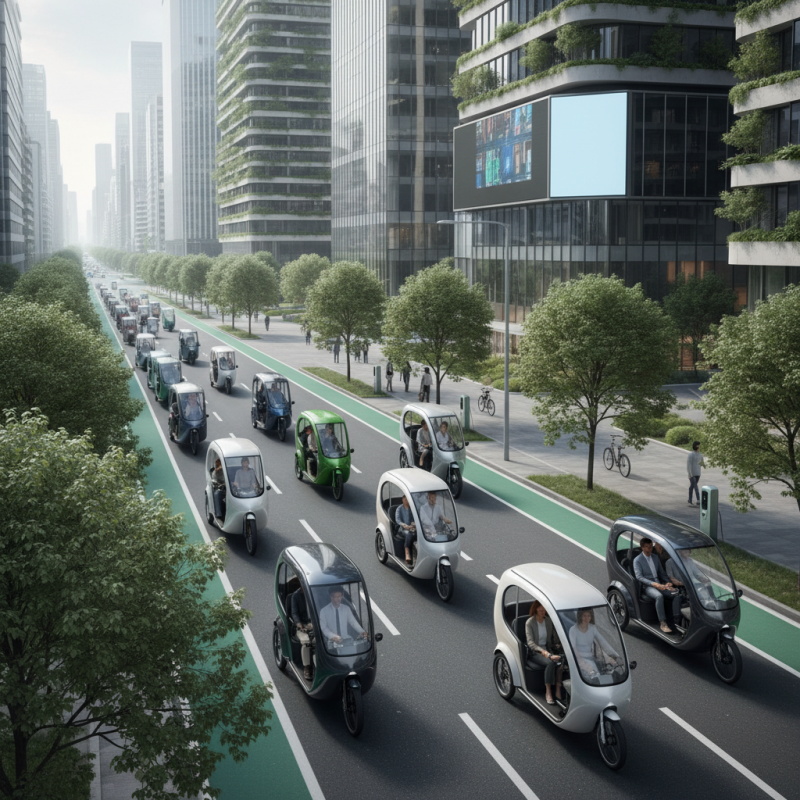
The electric passenger tricycle market is evolving rapidly for 2026. According to recent market reports, the global market is projected to grow at a 15% CAGR between 2023 and 2026. This surge is fueled by urbanization and the need for eco-friendly transportation options. Importers must pay attention to consumer preferences, which are shifting towards electric models due to their reduced carbon footprint.
Cities worldwide are implementing regulations to promote electric vehicles. These changes encourage consumers to switch from traditional tricycles to electric ones. Importers who understand these trends can make informed purchasing decisions. Data indicates that regions with aggressive sustainability goals show higher demand for electric passenger tricycles.
Tip: Focus on models with longer battery life. Consumers value range as it impacts usability in daily commutes.
The design of electric passenger tricycles is also crucial. Comfort and safety features attract buyers. Reports suggest that models with improved suspension systems and robust safety features sell better. The demand for unique designs signals a desire for personalization among consumers.
Tip: Research local market preferences. Understanding regional trends can guide import strategies effectively.
Investing in the electric passenger tricycle market requires careful analysis of these trends. Recognizing shifting consumer behavior can enhance import success in 2026 and beyond.
Key Features to Consider When Buying Electric Passenger Tricycles
When considering the purchase of electric passenger tricycles, several key features stand out. Battery capacity is paramount. A powerful battery ensures longer ranges. Reports indicate that models with at least a 48V system often provide the best performance. Notably, an average electric tricycle can cover 30 to 50 miles on a single charge. This feature is crucial for operators aiming for efficiency and customer satisfaction.
Another vital aspect is the weight capacity. Many electric tricycles can support up to 400 pounds. This is essential for transporting multiple passengers or cargo. Some models even include additional storage options, enhancing their utility. However, operators must also consider the overall weight of the tricycle. A heavier tricycle can affect maneuverability and speed, leading to potential safety concerns.
Safety features should never be overlooked. Reliable braking systems are essential. Tricycles equipped with hydraulic brakes often outperform those with basic systems, especially in emergency situations. Additionally, lights and reflective elements improve visibility and safety, especially for night-time travel. Regular inspections are necessary to ensure these systems remain functional and effective. Balancing performance, safety, and comfort requires careful consideration, making thorough research vital before making a final decision.
Top Brands and Models in the 2026 Electric Passenger Tricycle Market
The 2026 electric passenger tricycle market offers a diverse range of brands and models. Importers need to pay attention to design, durability, and battery life. These factors can make a significant difference in customer satisfaction. Brands that combine style with functionality are gaining popularity. Electric tricycles can cater to urban commuting and leisure needs.
When choosing a model, consider your target market. The design should resonate with local preferences. Some families may prioritize spaciousness, while others focus on eco-friendliness. It's essential to understand these nuances. Test rides can provide insights into comfort and performance. This experience can inform which features resonate most with buyers.
Tips: Look for models with advanced safety features. Electric tricycles should have reliable braking systems and visibility enhancements. Research customer reviews for insights into long-term performance. Addressing customers' common concerns can set your offerings apart. Balance aesthetics with practicality for best results.
2026 Electric Passenger Tricycle Market Analysis
Regulatory Standards and Safety Considerations for Importing Tricycles
When importing electric passenger tricycles, understanding regulatory standards is crucial. Each country has specific requirements. These may include safety tests, emissions standards, and certifications. Failing to comply can result in fines or shipment delays.
Check the local regulations before making any purchases. Research the necessary documentation. This may include import permits and safety certifications. Ensuring compliance builds trust with customers. It also minimizes the risks involved in importing.
Tips: Always verify the testing procedures of tricycles. Conduct thorough inspections for quality assurance. Engage with local regulatory bodies for updates on standards. This proactive approach can save time and avoid legal issues.
Consider potential concerns regarding battery safety and vehicle stability. These factors significantly impact user safety. Ensure the tricycles meet performance benchmarks. Awareness of evolving regulations is key. Continuous monitoring is essential for long-term success in this market.
2026 Top Electric Passenger Tricycle Buying Guide for Importers
| Feature | Details |
| Regulatory Standards | EN 15194 for electric bicycles, ISO 4210 for safety specifications. |
| Safety Features | Braking system, lights, reflectors, and horn. |
| Battery Type | Lithium-ion batteries recommended for efficiency and longevity. |
| Warranty Period | 2 years minimum for frame and 1 year for electrical components. |
| Weight Limit | Maximum weight limit typically around 350 kg. |
| Average Price Range | $1,500 - $3,000 depending on features and specifications. |
| Charging Time | 4 to 8 hours for a full charge. |
| Range Per Charge | Typically between 40 to 80 km depending on load and terrain. |
| Import Duty Rates | Varies by country, average around 5% - 20%. |
Pricing Strategies and Cost Analysis for Importers of Electric Tricycles
When considering pricing strategies for electric passenger tricycles, importers must evaluate various cost factors. Understanding manufacturing costs is crucial. These costs can vary significantly based on materials used and labor rates in the production country. Importers need to analyze the cost breakdown thoroughly to determine a competitive pricing point.
Freight costs also play a vital role. The shipping process can inflate overall expenses, especially if products are sourced from distant locations. Importers must compare shipping rates and consider shipping methods. Additionally, tariffs and customs duties can impact pricing strategies. Researching trade agreements can provide insight into potential savings.
Importers should reflect on local market trends. Consumer preferences may shift based on pricing and features. Analyzing competitor pricing is essential. However, relying solely on competitors can lead to missed opportunities. Innovation and unique features can justify higher prices. Balancing these elements is challenging but necessary for a successful strategy. Importers should continuously review their approach, ensuring adaptability in a changing market landscape.